Muscle pain in the legs: causes and prevention
Have you ever tried standing on one leg for longer? Maybe in yoga, maybe for fun while waiting at the traffic lights? After a few seconds the calf starts to tremble, after a minute the muscles start to pull - and then at the latest the pain starts. This is not a problem for flamingos. They sleep like this, sometimes for hours, without a hint of cramp. For us humans, however, this is a real feat of strength. Our legs are designed to carry us, keep us moving, get us from A to B, but they quickly respond to overload,...

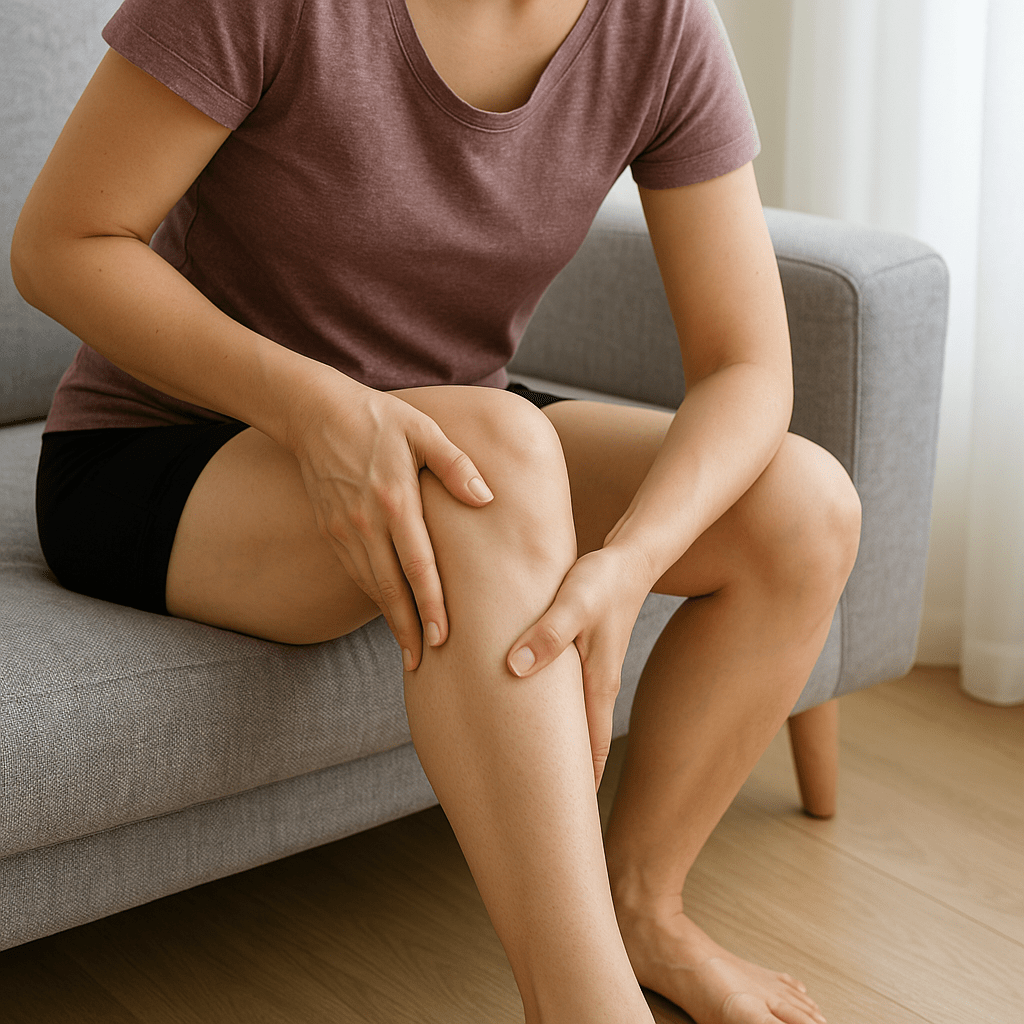
Have you ever tried standing on one leg for longer? Maybe in yoga, maybe for fun while waiting at the traffic lights? After a few seconds the calf starts to tremble, after a minute the muscles start to pull - and then at the latest the pain starts.
This is not a problem for flamingos. They sleep like this, sometimes for hours, without a hint of cramp. For us humans, however, this is a real feat of strength. Our legs are designed to carry us, keep us moving, get us from A to B, but they quickly respond to overload, lack of exercise or nutritional deficiencies with pain or cramps.
Leg pain and calf cramps are among the most common complaints. Millions of people in Germany know it - sometimes as an annoying pulling sensation after a long day at work, sometimes as a sudden, stabbing pain in the middle of the night. And as harmless as they seem at first, they can have a huge impact on our everyday lives.
In this article we'll get to the bottom of the causes of leg pain and calf cramps, show you how to recognize them, which measures really help and why massages - whether classic or with a modern massage chair - can be more than just wellness.
How common are leg pain and calf cramps?
So this much is clear: leg pain and calf cramps are not rare side effects, but something that almost everyone has experienced. But how common are they really? Is it just a matter of a few isolated complaints - or are we talking about a phenomenon that affects entire age groups and shapes the everyday lives of many people?
If your calf is painfully cramped in the middle of the night or your legs are heavy and tired after a long day at work, it often feels very individual. But the numbers show: leg pain is a real common problem.
According to surveys by Robert Koch Institute give around 27 to 30 percent of adults in Germany reported feeling leg pain within just 24 hours. The number increases significantly with age: almost half of all women and more than a third of men between the ages of 65 and 79 regularly report acute joint and leg pain. This makes them one of the most common health complaints in everyday life.
Also Leg cramps are widespread, and not just among older people. Even young adults are familiar with the sudden, stabbing pulling sensation. About 90 percent say they experience cramps at least occasionally. However, the frequency increases significantly over the years, especially at night: while younger people are usually only rarely affected, many older people complain of being regularly woken from their sleep by cramps.
This data makes it clear: leg pain and calf cramps are not an isolated case and not a small thing. They affect millions of people across all age groups. Reason enough to take a closer look: Where do these complaints actually come from?
Causes of muscle pain in the legs and leg cramps
Leg pain and calf cramps have many faces and just as many causes. Sometimes it's the sore muscles after an intensive sports session, sometimes it's the long car ride during which your legs were held still for hours. Sometimes there is also a mineral deficiency or a disease that affects blood circulation. In order to understand the symptoms, it is worth taking a closer look at the most common triggers.
Muscle pain in the legs
Muscle pain is often simply caused by this Overload. Anyone who puts more strain on their legs than they are used to often notices it the next day: micro-injuries in the muscle fibers lead to the familiar pulling sensation that we call muscle soreness. But also muscular imbalances are a problem. If we sit a lot, certain muscles are weakened while others are overloaded. This causes tension and pain.
Another factor is this Lack of exercise. Sitting for hours in the office or at home can disrupt blood circulation, shorten muscles and also cause pain. Add to that Injuries or poor posture, for example through incorrect footwear or anatomical peculiarities such as different leg lengths, which change the statics of the body and put permanent strain on the legs.
Leg cramps
The situation is different with the often painful ones Leg cramps. He plays here Mineral balance a key role. Magnesium, potassium and calcium in particular are crucial for muscle function. If they are missing, the tendency to cramp increases. Also Lack of fluids – for example through heavy sweating or not drinking enough – can be the trigger.
The so-called are particularly widespread nighttime leg cramps. During sleep, magnesium levels drop slightly, the muscles are less active, and involuntary contractions occur more easily. Exercise-related cramps On the other hand, they occur during or after intense physical activity: the muscle is fatigued, electrolytes are depleted, and the sudden cramping forces it to stop.
Add to that other risk factors, which can promote cramps, for example pregnancy, certain medications, alcohol, diabetes or circulatory problems.
Nocturnal vs. exercise-related cramps – the comparison
Both forms feel similar, but differ in their causes and the circumstances in which they occur. While nighttime cramps seem to appear “out of nowhere” and disrupt your night’s sleep, exercise-related cramps are often a warning signal from the body: “Stop, I’m overloaded!”
|
feature |
Nocturnal leg cramps |
Exercise-related leg cramps |
|
point in time |
Especially at rest and while sleeping |
During or immediately after physical activity |
|
Causes |
Mineral deficiency, fluid deficit, hormonal fluctuations, illnesses |
Muscle fatigue, overwork, loss of electrolytes, inadequate warm-up |
|
Risk factors |
Age, pregnancy, sedentary lifestyle, alcohol |
Intense stress, unusual training, muscle injuries |
|
Symptoms |
Sudden, severe pain, sleep disturbance, muscle hardening |
Pain or cramping when moving, abrupt cessation of activity |
Symptoms and limitations
Not all leg pain is the same. Some sufferers describe it as a dull pulling sensation, others feel a stabbing or pressing pain. The symptoms often occur after physical exertion, for example after a long day at work, a hike or an intensive sports session. But sitting for long periods of time in the office or in the car can also cause the same symptoms. Particularly tricky: the legs often feel heavy, tired or downright “blocked” even before the actual pain sets in.
Leg cramps however, have a completely different character. They appear suddenly and without warning. Within a few seconds, the muscles contract painfully, the calf noticeably hardens, and the pain can be so severe that it literally wakes you from your sleep. Even though the cramp goes away after a few minutes, a dull aching sensation often remains, which makes the muscle sensitive for hours.
The consequences are often more serious than you think. Anyone who regularly struggles with leg pain or cramps not only suffers from the acute pain, but also from the Restrictions in everyday life: Exercise becomes torture, long walks become a challenge, and nighttime cramps lead to sleep problems, which in turn cause fatigue and problems concentrating the next day. Apparently “harmless” complaints can quickly become a vicious circle that noticeably reduces the quality of life.
What helps against muscle pain in the legs and leg cramps?
If a cramp suddenly appears in your calf or your legs hurt after a long day, what you need most is quick and easy help. This is particularly effective in moments like this gentle stretching. If you pull your foot up until it points towards your shin, you lengthen the cramped calf muscles. This simple movement is often enough to relieve the cramps. Stretching can also help with general muscle pain because it takes the tension out of the tissue and makes the muscles more mobile again.
Just as beneficial Warmth. A warm bath, a hot water bottle or a visit to the sauna relaxes the muscles and stimulates blood circulation. Heat can have a really liberating effect, especially when it comes to pain caused by tension or sitting for long periods of time. It helps the muscle to relax and at the same time promotes regeneration.
Another central role is played by Hydration. Muscles need a balance of minerals such as magnesium, potassium and calcium to work smoothly. If you drink too little or lose a lot of fluids while exercising, you will quickly mess up this sensitive household. The result: a higher susceptibility to cramps. Drinking regularly throughout the day, preferably water or unsweetened tea, stabilizes the electrolyte balance and relieves the strain on the muscles.
Also movement is a simple but often underestimated tool. After a cramp or dull pain, a short walk or loosely shaking your legs can stimulate circulation and promote blood circulation. If you elevate your legs, it makes it easier for the blood to flow back and reduces the feeling of heaviness that is often associated with leg pain.
The situation is different with acute ones Injuries. The rule here is: cold instead of heat. An ice pack or cold water will help reduce swelling and inflammation and relieve pain.
In the long term, many complaints can be overcome Prevention avoid. Regular exercise, be it walking, cycling or targeted strength training, keeps the muscles supple and strong. It is particularly important to warm up the muscles before exercise and to stretch them after training. This prevents injuries and overloading.
Those too Nutrition plays a crucial role in preventing cramps. Magnesium-rich nuts, potassium-rich bananas or calcium-rich dairy products are valuable building blocks for stable muscle work. If you also drink enough fluids, you will help your muscles stay efficient.
Last but not least, he plays Everyday life a big role. Sitting in the office for hours, crossing your legs or engaging in monotonous stress promotes pain and cramps. Small breaks in which you get up, move around or do a few stretching exercises seem like a small investment in your own health - with a big effect.
All of these measures show that leg pain and calf cramps are not a fate that you have to accept. With the right steps in acute cases and a conscious lifestyle, the symptoms can be significantly reduced and sometimes even avoided entirely.
Massage as a therapy option
As helpful as exercise, stretching and a balanced diet are, sometimes your muscles just need it external supportto really get loose. This is exactly where the massage comes in. It is one of the oldest methods of treating pain and tension and is still one of the most effective ways to relax muscles and promote their regeneration.
One classic massage works on several levels. Targeted pressure and stroking movements improve blood circulation in the tissue. This ensures that more oxygen and nutrients reach the muscles and at the same time waste products such as lactic acid are removed more quickly. Hardened fibers loosen, tensions dissolve and the sensation of pain noticeably decreases. Studies show that pain in the lumbar and leg areas can be significantly reduced with regular massages, especially when combined with exercise therapy and stretching exercises.
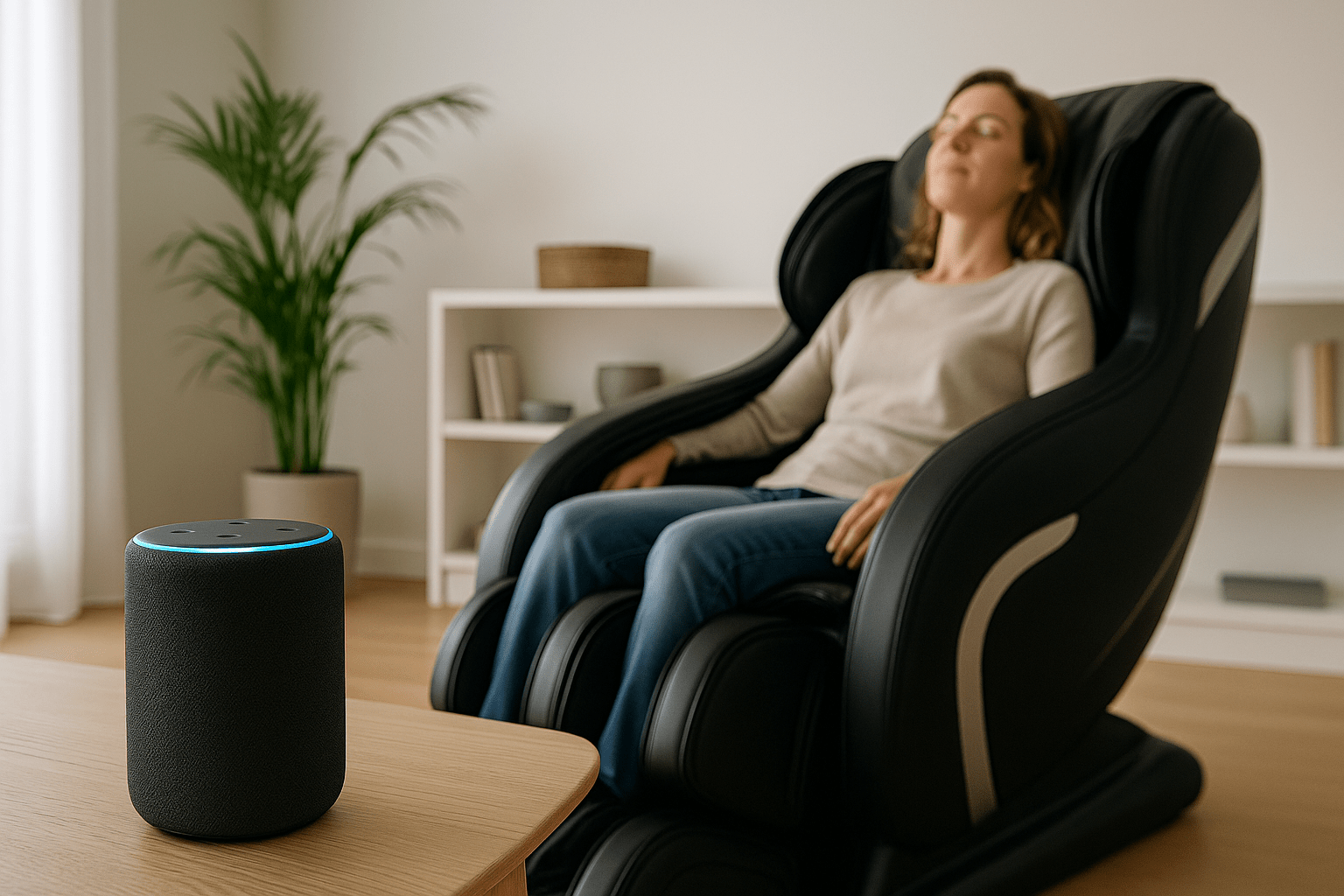
In addition to the classic hand massage, win Massagers and modern massage chairs becoming more and more important. They enable regular use in everyday life, without an appointment for physiotherapy. A leg massager wraps around the calves and applies rhythmic pressure, simulating the work of experienced hands. This promotes the venous return of blood and relieves tired, heavy legs. Also EMS devices, which work with gentle electrical impulses, can target and train the muscles, especially if exercise is neglected in everyday life.
A Massage chair finally combines different technologies in a single device. Many models offer special programs for legs and calves in which air cushions build up and release pressure while rollers massage the muscles. The spectrum ranges from gentle Shiatsu movements to intensive deep tissue massage. This means that massage is not just a moment of relaxation, but also a real preventive measure against tension, pain and cramps.
You can find out more about this in our additional articles and product pages:
Massage is therefore much more than just a wellness treatment. It can be a crucial component in the prevention and treatment of leg pain and calf cramps, especially if used regularly and specifically.
Home remedies & lifestyle
In addition to targeted therapies, there are a whole range of simple measures that can be surprisingly effective in everyday life. It's often small routines that ensure that muscles stay relaxed and cramps don't arise in the first place.
Are a classic warm applications. A warm foot bath in the evening, a hot water bottle on your thighs or a red light lamp on your calves almost act as a reset for tense muscles. The heat stimulates blood circulation, supplies the tissue better with oxygen and ensures that hardened muscle fibers become supple again. In the case of acute injuries or swelling, however, as already mentioned above, the opposite is required: Cold. A cold pack or cold compresses reduce inflammation and relieve pain quickly and effectively.
Those too Nutrition has a direct influence. Magnesium, potassium and calcium are crucial minerals for healthy muscle function. Anyone who regularly integrates foods such as nuts, seeds, green leafy vegetables, bananas or whole grain products into their diet supports the natural balance in the body. If a deficiency is proven, nutritional supplements can be useful, but in most cases a balanced diet is sufficient.
The effect of should not be underestimated healthy everyday habits. Alcohol, nicotine and too much caffeine can hinder the absorption of important minerals and put additional strain on the muscles. Conscious handling of these substances helps to reduce the risk of cramps. The right footwear also plays a role: Shoes that constrict your feet or change your posture can put long-term strain on your leg muscles and promote pain.
Another key lies in the Balance between stress and recovery. If you sit all day, you should take regular exercise breaks. Even a quick walk around the room or a few simple stretches can make all the difference. Conversely, people who are physically active also need sufficient periods of rest so that muscles can regenerate.
And lastly, if symptoms occur regularly despite all these measures or are very severe, you should take them get medically clarified. Sometimes seemingly harmless leg pain has a more serious cause such as a circulatory disorder or a neurological disease that needs to be treated specifically.
Evidence check: Magnesium and Co.
Magnesium is probably the first thought that comes to mind when it comes to leg cramps. Appropriate preparations that promise quick relief are stacked up in pharmacies, drugstores and supermarkets. But is it really worth taking or is it more of a myth that persists?
The scientific data is sobering. Large meta-analyses and Cochrane reviews show that magnesium has no significant effect in most people with so-called idiopathic leg cramps, i.e. cramps without an identifiable cause. In other words: studies have shown that whether you take magnesium or not makes little difference in the frequency and severity of cramps. The current S1 guideline “Crampi/muscle cramp” also emphasizes that the effectiveness has not been sufficiently proven.
Nevertheless, doctors sometimes recommend trying therapy with magnesium. This is because the mineral is generally well tolerated and side effects such as mild digestive problems are usually harmless. In certain situations, such as a proven deficiency, during pregnancy or in dialysis patients, targeted supplementation can definitely make sense. However, this is not about an “all-purpose solution”, but rather about eliminating a specific deficit.
Otherwise, the guidelines primarily rely on non-medicinal measures such as regular stretching, physiotherapeutic exercises and a balanced diet. For particularly stubborn cases, substances such as quinine are also available in medicine, but only under strict medical supervision because relevant side effects can occur.
So the conclusion is: Magnesium is not a miracle cure for leg cramps. It can help in individual cases, but the most effective remedies remain exercise, stretching and a healthy lifestyle. If you still want to try it, you should do so consciously and not rely solely on the effect of a tablet.
Light legs instead of heavy loads
Leg pain and leg cramps are common, but they don't have to be tolerated. Anyone who knows the causes can take targeted action, be it through stretching in acute cases, more exercise in everyday life, a diet rich in minerals or soothing warmth. Massages, whether classic, with machines or in a modern massage chair, are also valuable support in relieving the muscles and preventing long-term problems.
And so back to our animal role model: Standing on one leg is no problem for flamingos; they remain relaxed and calm, whereas we humans would get cramps after just a few seconds. But with the right combination of prevention, a healthy lifestyle and modern support, we can give our legs back some of this lightness.
This is how heavy legs become again, step by step light legsthat reliably carry us through life.
⚠️ Important note
This article is not a substitute for medical diagnosis or treatment. If you have persistent or severe symptoms, please contact a doctor or physiotherapist.
Great – here it is complete source list in blog-friendly format, numbered and with clickable hyperlinks:
Sources
-
Biolectra Magnesium – Leg cramps: causes, treatment and tips
-
Wörwag Pharma – Nocturnal leg cramps: This is how you can prevent them
-
Loges – overloading and the consequences of incorrect loading in sport
-
German family insurance – leg cramps: causes, diagnosis, treatment
-
Utopia – Muscle pain in legs and thighs: These home remedies help
-
Statista – Distribution of pain in Germany by body region and age
-
SWR market check – magnesium does not help with muscle cramps
-
Joint Clinic – Leg cramps: What are the causes and what helps?
-
Vascular surgery Siegen – Leg cramps can be an early warning sign of PAD
-
Doctors' newspaper - Benefits of magnesium for cramps not proven
-
University of Frankfurt – Research Frankfurt: Fight against cramps
-
Consumer advice center – Magnesium during sport: Does the cramp subside?
-
Pharmazeutische Zeitung – Muscle cramps: Guideline recommends stretching and magnesium
-
Test.de – Magnesium against cramps: Do the minerals also have a preventative effect?
-
Thieme Connect – Muscle cramps: half-knowledge versus evidence
Mitgründer und Geschäftsführer der Massagesessel Welt. Mit seinem Expertenwissen und seiner Branchenkenntnis hilft er, Privatpersonen und Unternehmen zu passenden Massagesessels für Entspannung, Gesundheit und Vitalität zu finden. Die individuelle Fachberatung erfolgt sowohl telefonisch oder per Videochat, als auch in der Ausstellung vor den Toren Stuttgarts.