Pain management: Understanding pain and achieving a better quality of life
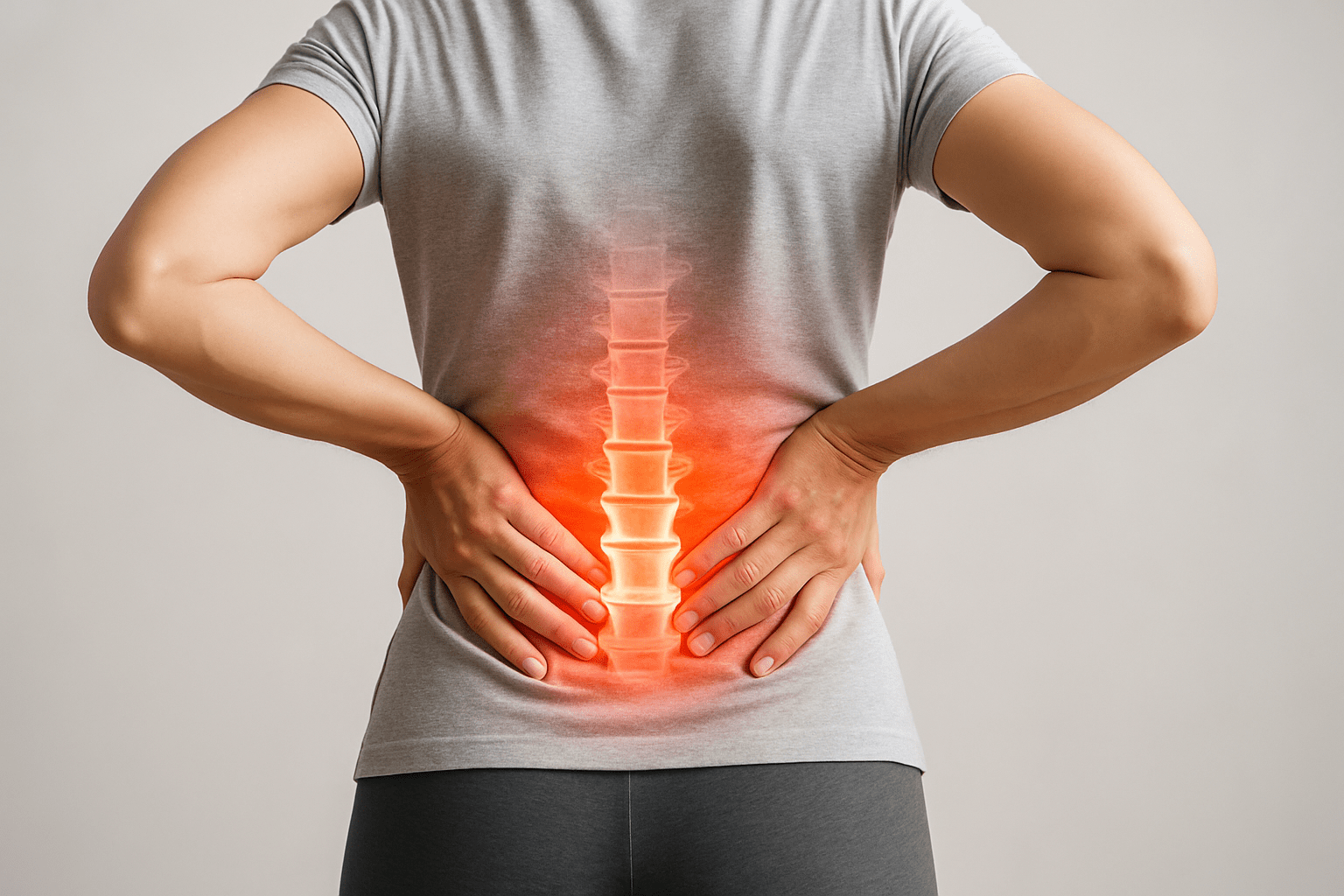
Imagine there is an invisible language that puts your body and mind on alert. A language so fundamental that everyone speaks it. This is pain. Pain is a universal experience that each of us knows. But have you ever wondered what exactly pain is? There are two main types: acute and chronic pain. While acute pain is usually short-lived and has a direct cause, chronic pain is longer lasting and often more complex in nature. This is where the concept of pain management comes into play. Pain management is a critical approach for pain sufferers to understand their pain and...


Imagine there is an invisible language that puts your body and mind on alert. A language so fundamental that everyone speaks it. This is pain. Pain is a universal experience that each of us knows. But have you ever wondered what exactly pain is?
There are two main types: acute and chronic pain. While acute pain is usually short-lived and has a direct cause, chronic pain is longer lasting and often more complex in nature. This is where the concept of pain management comes into play. Pain management is a critical approach for pain sufferers to understand their pain and deal with this pervasive but often misunderstood experience.
With this article we are dedicating ourselves to understanding this hidden language and showing you how your body communicates with you and what ways there are to deal with it. We focus on pain therapy and the concept of pain management, which helps patients understand their pain and learn how they can achieve a better quality of life.
Reading tip: If you are interested in pain management, also read our article: “From head to toe: massages can help here.”
What exactly is pain management?
You could say that pain management is both an art and a science. It aims to control and minimize pain. It is a comprehensive process that includes not only relieving pain but also understanding its causes and effects on a person's life.

In this process, various techniques and treatments are used that are individually tailored to the type, intensity and location of the pain. All of this with the ultimate goal of... To improve the quality of life of those affected and enabling them to lead active and more fulfilling lives. Pain management is therefore a central component of healthcare, especially pain therapy, and indirectly important for the well-being of each individual.
Pain management: nurses as the first point of contact
The spectrum of nursing measures is extremely broad. It can be used in a wide variety of environments, from hospitals to outpatient care services, your own four walls to specialized pain clinics, and ranges from precise observation and documentation of the progression of pain to the use of special care techniques. Measures also include educating and educating patients on pain management techniques and the importance of pain control.
Nurses are often the first point of contact for pain patients and play an important role in assessing pain intensity and the effectiveness of treatment. Their knowledge and experience are essential for developing individual and effective pain management.
Aim of the expert standard pain management
High-quality, evidence-based care for people with pain - that is the goal of the expert standard pain management. This standard provides guidelines and best practices for identifying, assessing and, of course, treating pain.
It is designed to address both the physical and psychosocial aspects of pain. Anyone who has had to suffer from severe pain knows that it brings with it much more than just physical stress, but also psychological stress. In order to minimize this, it is important to first understand your own pain. This includes determining as much as possible where the pain comes from and what effects it has on the pain patient.
By implementing this standard, healthcare professionals can ensure that patients receive individually tailored and effective pain treatment. The expert standard also promotes the continuous training and awareness-raising of specialist staff in this important area of pain therapy.
Pain management: beginning
Pain management begins with early recognition and accurate assessment of pain. Prompt and accurate diagnosis is critical to developing an effective treatment plan. Identifying pain early can also help prevent the development of chronic pain conditions.
This requires a careful anamnesis and regular monitoring of the patient. Pain management is a proactive process that requires close collaboration between patients and healthcare professionals to achieve the best possible results. This is why many experts speak of self-management as the basis for pain management.
Pain Therapy: A Spectrum of Relief
One of the most important components of pain management is pain therapy. It includes a variety of treatment approaches, including drug therapies, physical treatments, psychological support and alternative healing methods. This gives us an insight into the work of pain therapy Therapist Simon Gilljohann in our interview.
Each treatment plan is individually tailored to the pain patient based on the type, duration and intensity of the pain. The goal is to effectively control pain while minimizing the side effects of treatment. Pain management is a dynamic process that is regularly reviewed and adjusted to meet the needs of the patient.
Strong together: teamwork in pain management
The interaction of different specialists is of central importance here. Doctors, nurses, physiotherapists, psychologists and even social workers can be part of the treatment team. Each person brings specific knowledge and skills to create a holistic treatment plan. Communication between these professionals and the involvement of patients in the decision-making process are essential for the success of pain management.
Patients can also benefit from support groups and patient counseling that provide additional support and resources. The exchange between pain patients leads to the realization that you are not alone with the pain and can help to understand your own pain.
The combination of expertise and a patient-centered approach enables more effective and empathetic pain treatment. It should not be underestimated how important it is for the success of pain therapy that patients themselves actively participate.
Taking initiative in pain management
In fact, taking initiative in pain management is a key to success. As a pain patient, you can help relieve your pain by actively participating in treatment and learning self-management techniques. This includes exercises, relaxation techniques and stress management strategies.
Learning how to recognize and respond to pain signals is an important step in pain management to regain control of your own health and therefore your well-being. By taking responsibility for your own body, you can positively influence your treatment and develop a sense of self-efficacy.
Pain Management Support: Beyond Medicine
Supportive pain management measures include a wide range of activities and therapies aimed at reducing pain and promoting well-being. This may include changing your diet, using supportive devices such as orthopedic pillows, and participating in support groups.
Alternative forms of therapy such as therapeutic massages, yoga, meditation or art therapy can also have positive effects on the feeling of pain. In our post „How effective are massages really?” you will find out how healing massages can have a positive effect on well-being.
These measures complement medical treatment and contribute to a holistic approach to pain management.
Understanding pain: With pain management to a more conscious and fulfilling life
Unfortunately, pain cannot be avoided in our lives. It is particularly important for pain patients with chronic pain disorders to learn to live a better life despite pain through pain management.
This includes understanding the pain holistically – as a language that tells us something important. Through effective pain management, we can learn to understand and respond to this language rather than fearing it. As with any language, there are different ones „“Modes of expression” – acute and chronic pain – as well as different ways to deal with it. Pain management and pain therapy help us better understand and deal with pain.
Pain management is not just about relieving pain, but also about developing a better understanding of your own body and its needs. It is a path that requires courage and perseverance, but it is a path that can lead you to an improved quality of life.
Mitgründer und Geschäftsführer der Massagesessel Welt. Mit seinem Expertenwissen und seiner Branchenkenntnis hilft er, Privatpersonen und Unternehmen zu passenden Massagesessels für Entspannung, Gesundheit und Vitalität zu finden. Die individuelle Fachberatung erfolgt sowohl telefonisch oder per Videochat, als auch in der Ausstellung vor den Toren Stuttgarts.